We Deliver - Free Local Delivery | We Ship - Fast Nationwide Shipping
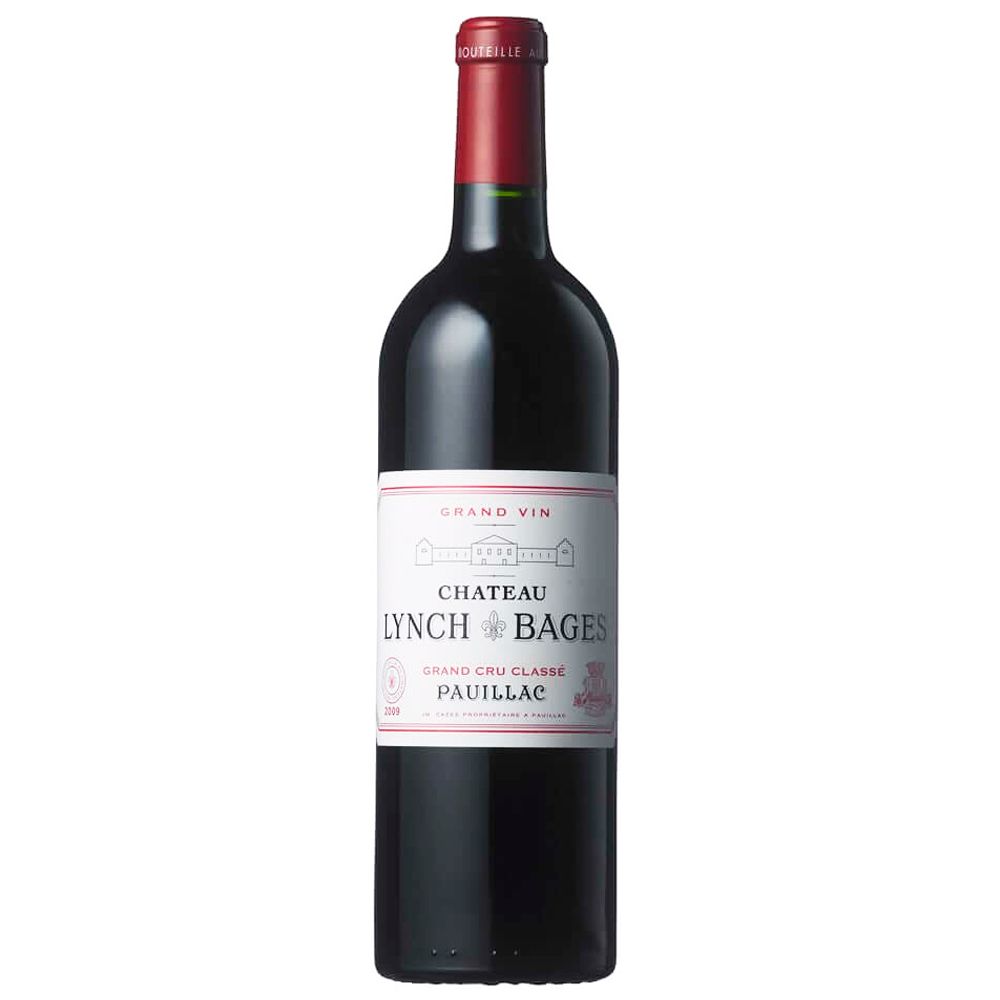
2015 Chateau Lynch-Bages, Pauillac, Bordeaux - 750ml
Share
$299.99
In stock
1
Product Details
UPC: 015643505690
Brand: Lynch-Bages
96 Points – James Suckling
Château Lynch-Bages, a Fifth Growth of the 1855 Classification, produced a particularly successful wine in 2015, combining the estate’s familiar Cabernet-driven stature with the vintage’s generous fruit and approachable texture. Now more than a decade from harvest, it is beginning to move beyond its youthful phase while retaining the structure and freshness for substantial further development.
Blend: 70% Cabernet Sauvignon, 24% Merlot, 4% Cabernet Franc, 2% Petit Verdot.
Tasting Notes: Cassis, blackberry and dark plum lead into violet, pencil shavings and cedar, with tobacco, licorice and a restrained savory note emerging with air. The palate is concentrated and polished, with ripe dark fruit framed by fine-grained tannins and a mineral edge that carries through the persistent finish.
Structure: Full-bodied and firmly Cabernet-led, but less imposing than Lynch-Bages can be in more austere vintages. Ripe tannins provide ample framework, while the 2015’s generous mid-palate and balanced acidity make the wine increasingly approachable without compromising its ability to age.
Drink Window: Now–2045. The 2015 is entering an attractive early drinking phase, particularly with aeration, but remains youthful enough to reward another five to ten years in the cellar. Over time, expect the fruit to become more savory as the wine develops the mature tobacco, leather and earthy character associated with well-aged Pauillac.
Decanting: If opening now, decant for approximately 60–90 minutes and taste periodically as the wine unfolds. Serve around 60–64°F in a generous Bordeaux glass; the wine still benefits from aeration, but there is no need for an aggressive multi-hour decant.
The 2015 Lynch-Bages offers an appealing balance between the estate’s traditionally robust Pauillac personality and the generosity of the vintage. It is substantial enough for continued cellaring yet increasingly rewarding at the table today, particularly with roast beef, lamb or game—and makes a strong choice for a Bordeaux-focused dinner or milestone bottle.
2015 Chateau Lynch-Bages, Pauillac, Bordeaux - 750ml
Share