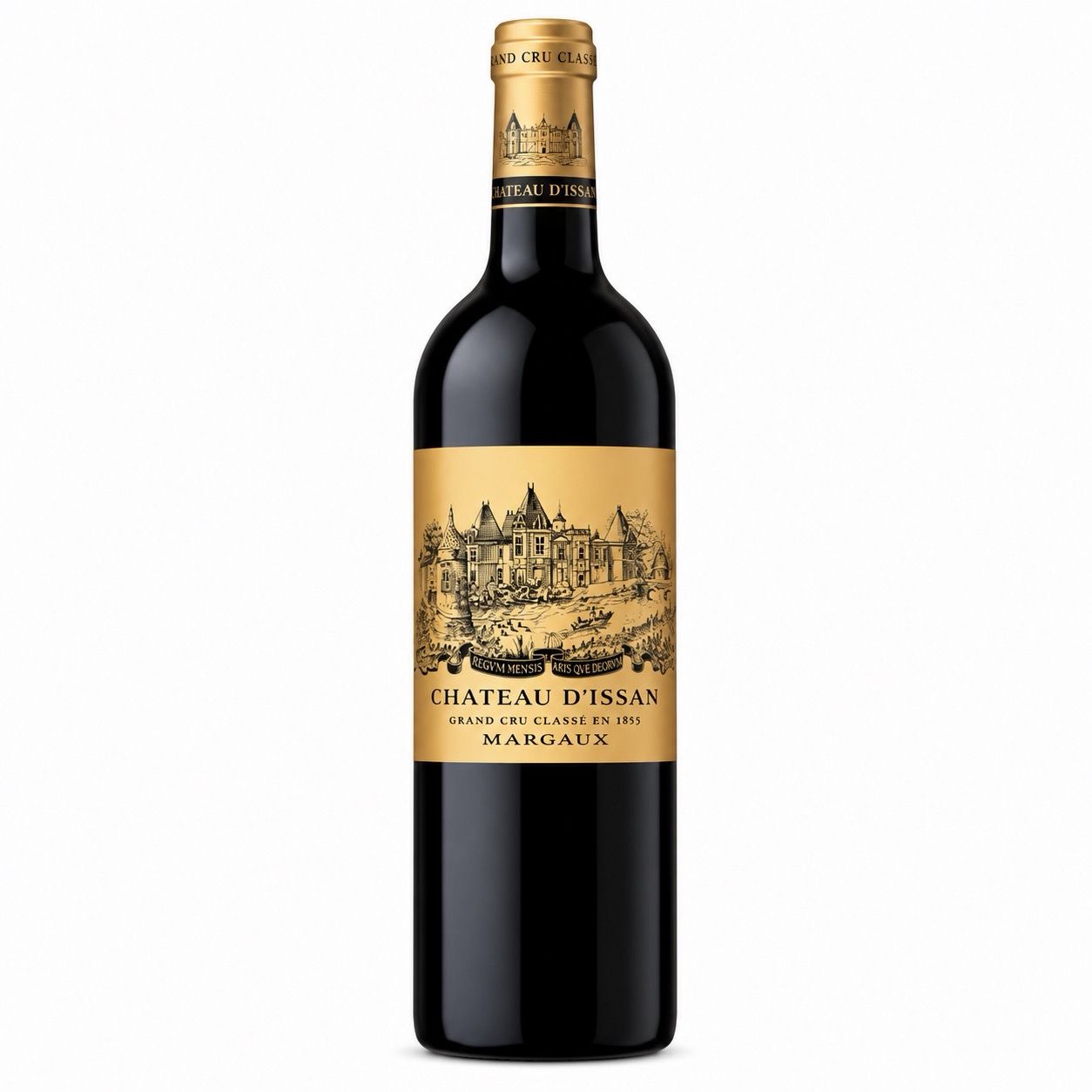
2020 Château d'Issan, Margaux, Bordeaux - 750ML
$94.99
In stock
Product Details
Brand: Chateau d'Isssan
Château d’Issan is a Third Growth (Troisième Cru Classé) in the 1855 Bordeaux Classification, with a historic walled vineyard in the heart of Margaux. The warm, dry 2020 vintage produced a wine of impressive concentration and aromatic detail, combining the estate’s characteristic floral elegance with the depth and structure of a powerful growing season. The result is a refined, age-worthy Margaux that balances ripe dark fruit with freshness and finely textured tannins.
Blend: 55% Cabernet Sauvignon, 39% Merlot, 3% Cabernet Franc, 2% Petit Verdot and 1% Malbec.
Tasting Notes: Blackcurrant, dark cherry and ripe plum are complemented by violet, rose petals, cedar and subtle graphite notes. The palate is layered and finely textured, with concentrated dark fruit, gentle spice and a touch of cocoa. Fresh acidity and polished tannins lead into a long, fragrant finish with savory mineral detail.
Structure: Medium to full-bodied, with impressive fruit concentration and fine-grained, persistent tannins. Cabernet Sauvignon provides structure and definition, while Merlot contributes suppleness and breadth. The smaller blending varieties add aromatic complexity, giving the wine a poised, balanced character despite the richness of the vintage.
Drink Window: 2026–2042. The 2020 is approaching its early drinking window, particularly with aeration, but should benefit from several additional years of bottle age as its structure integrates and more complex tertiary notes emerge.
Decanting: If opening young, allow approximately 60–90 minutes in a decanter to soften its youthful tannins and reveal its aromatic depth. With maturity, a shorter, gentler decant will be sufficient.
Château d’Issan 2020 is an appealing choice for Bordeaux collectors seeking a classically elegant Margaux with the concentration and cellaring potential of an outstanding vintage. Its combination of dark fruit, floral detail and refined structure makes it particularly rewarding alongside roast lamb, duck breast, beef tenderloin and mushroom-based dishes, while its graceful development should reward patient cellaring.
2020 Château d'Issan, Margaux, Bordeaux - 750ML