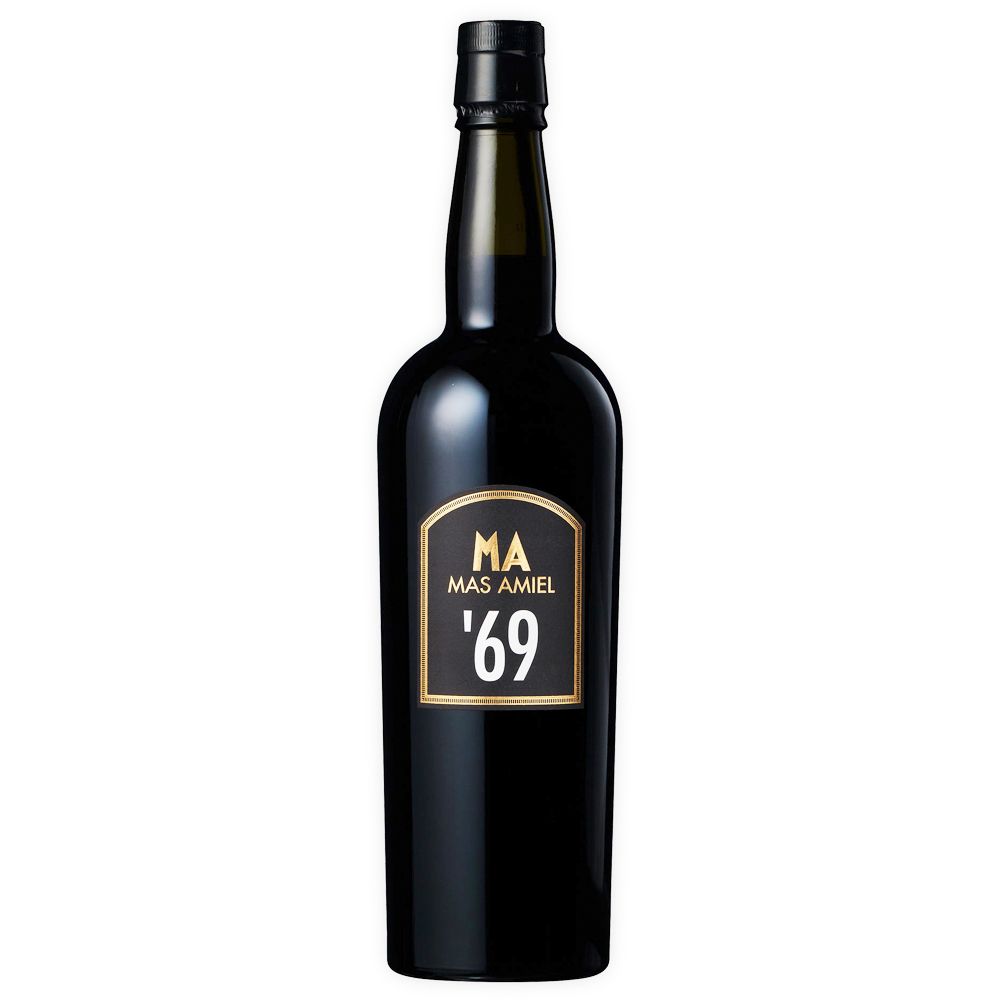
1969 Mas Amiel Maury, Languedoc-Roussillon, France - 750ml
$249.99
In stock
Product Details
UPC: 8.4127E+11
Brand: Mas Amiel
1969 Mas Amiel Maury Vintage, Roussillon, France, 750 mL is a fortified sweet red wine that has spent decades developing oxidative character. Unlike a recent dry Grenache, it reflects a deliberate production approach in which the wine's contact with air is part of its identity. The estate's dated release provides unusually specific information for a bottle from this period.
Blend: Mas Amiel identifies 90% Grenache Noir, 5% Maccabeu, and 5% Carignan for its Vintage 69. The grapes come from south-facing slopes of decomposed schist and black marl in the Maury appellation. This is a confirmed vintage-specific composition, not a modern estate-wide planting ratio.
Tasting Notes: The producer records dried fig, licorice, and walnut on the nose, with a rich palate. Its overview also names gingerbread, dried fig, and mocha. Independent assessments describe dates, woody and savory notes, a subtle rancio impression, and a long finish. Those characteristics distinguish its mature oxidative style from the fruit-first character of a youthful red.
Structure: Sweetness and fortification give the wine substance, but published tastings emphasize the acidity and tannic presence that balance its concentration. The texture is described as dense without being shapeless. Its decades in cask make it a different experience from a bottle-aged red table wine of the same year.
Drink Window: The estate treats this oxidative wine as capable of extended keeping, while a Wine Advocate assessment recommends drinking rather than expecting improvement. For a customer selecting a 1969 bottle today, opening is entirely reasonable. Sound storage remains important even for a wine made with prolonged oxidative maturation.
Serving: Mas Amiel recommends approximately 15°C, or 59°F, and opening about an hour before enjoying. Serve in modest glasses that concentrate the aromas rather than oversized red-wine stems. The estate suggests Roquefort, chocolate and dried-fruit desserts, or richly savory dishes. Check sediment and pour carefully as needed.
This is an intriguing choice for someone interested in how time changes wine through cask aging, not simply through years under cork. A small pour after dinner can become an opportunity to discuss the contrast between sweetness, nuttiness and savory depth.
1969 Mas Amiel Maury, Languedoc-Roussillon, France - 750ml