We Deliver — Free in Palm Beach for Orders Over $49.99

Wine & Spirits Journal

<p>The Gravity of the Tin: Why You Need to Stop Rationing Caviar</p><p>The Gravity of the Tin: Why You Need to Stop Rationing Caviar</p>

The Gravity of the Tin: Why You Need to Stop Rationing Caviar

We have all been there. You know caviar as the polite dollop resting on a cold blini, or a decorative garnish on a catering platter. It was salty, it was fancy, and it was over in a single, fleeting bite. You walk away thinking, “It’s good... but is it really worth the hype?”


I used to think the exact same thing. In fact, I completely wrote caviar off for years. Growing up, my grandmother would tell me stories that sounded like pure mythology:


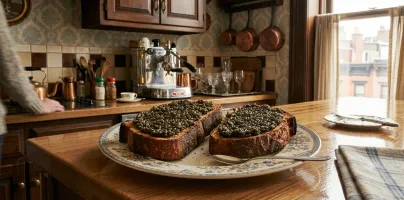
"Back in the '80s, my absolute favorite afternoon snack was two warm slices of bread, spread with a thick, glistening layer of Caspian Beluga caviar. Especially when I was pregnant with your dad, I would finish lunch and just count down the minutes until 4:00 PM so I could have my daily treat. It was my happiest ritual."


For decades, she dreamed of those days. And for decades, I didn’t quite get it, because what she casually enjoyed had become completely impossible.


To put her daily habit into perspective: during the famous "Beluga Caviar War" of 1983 between Zabar's and Macy's in New York, a massive 14-ounce tin of wild Caspian Beluga retailed for around $119. Even with inflation, that’s about $380 in today’s money.


Today, if you wanted to buy a 14-ounce tin of purebred Beluga to casually spread on your afternoon toast, it would set you back nearly $4,000. Unless you have a casual quarter-million-dollar annual grocery budget, nobody is eating pure Beluga on a daily basis anymore.


But it wasn't just the price that made it impossible—the legendary quality itself had vanished.

<p>The Palm Beach Corkage Guide: Fees, Etiquette, and the Best BYOB Policies on the Island</p><p>The Palm Beach Corkage Guide: Fees, Etiquette, and the Best BYOB Policies on the Island</p>

The Palm Beach Corkage Guide: Fees, Etiquette, and the Best BYOB Policies on the Island

Around here, we are no strangers to precision when it comes to wine. At our Palm Beach boutique, our days are spent curating cases for everything from elegant backyard luncheons to grand weddings at the Flagler Museum. But just as often, the assignment is beautifully simple: a regular walks through our doors looking for that one perfect bottle to bring out to dinner that very evening.


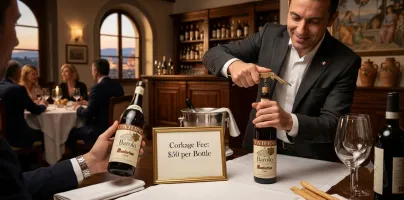
Historically, taking a bottle from your cellar to a local dining room came with a side of guesswork, as corkage policies varied wildly by doorstep. That baseline is shifting toward welcome clarity. With Florida’s landmark SB 606 fee transparency law now in effect as of July 1, 2026, automatic operations charges must be clearly itemized on menus and receipts. Under this new legislation, restaurants provide upfront notice of their exact corkage fees, removing the mystery for collectors before the first cork is even pulled.


As the law brings these fee structures into the light, there has never been a better time for our community of collectors to brush up on the unspoken etiquette of BYOB. Done right, corkage isn't just a transaction—it’s a dynamic, two-way dialogue between an engaged diner and a world-class hospitality team, turning the bottle you meticulously selected into a shared conversation.


"Corkage gives restaurants an unexpected window into what guests are excited enough to purchase for themselves or gift to others," notes Megan, Sommelier at Harry’s West Palm Beach. "It helps us understand evolving tastes and can even influence future decisions about what deserves a place on the wine list."