We Deliver — Free in Palm Beach for Orders Over $49.99

Hamptons Team | 5 days ago

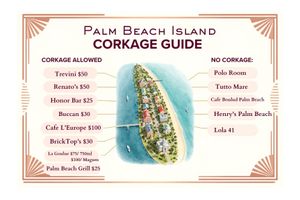
The Palm Beach Corkage Guide: Fees, Etiquette, and the Best BYOB Policies on the Island

Around here, we are no strangers to precision when it comes to wine. At our Palm Beach boutique, our days are spent curating cases for everything from elegant backyard luncheons to grand weddings at the Flagler Museum. But just as often, the assignment is beautifully simple: a regular walks through our doors looking for that one perfect bottle to bring out to dinner that very evening.


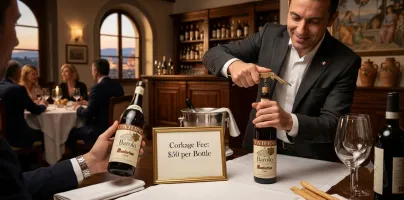
Historically, taking a bottle from your cellar to a local dining room came with a side of guesswork, as corkage policies varied wildly by doorstep. That baseline is shifting toward welcome clarity. With Florida’s landmark SB 606 fee transparency law now in effect as of July 1, 2026, automatic operations charges must be clearly itemized on menus and receipts. Under this new legislation, restaurants provide upfront notice of their exact corkage fees, removing the mystery for collectors before the first cork is even pulled.


As the law brings these fee structures into the light, there has never been a better time for our community of collectors to brush up on the unspoken etiquette of BYOB. Done right, corkage isn't just a transaction—it’s a dynamic, two-way dialogue between an engaged diner and a world-class hospitality team, turning the bottle you meticulously selected into a shared conversation.


"Corkage gives restaurants an unexpected window into what guests are excited enough to purchase for themselves or gift to others," notes Megan, Sommelier at Harry’s West Palm Beach. "It helps us understand evolving tastes and can even influence future decisions about what deserves a place on the wine list."

The Golden Rules of Corkage Etiquette

Updated 7/1/26. Please always call ahead. Corkage policies and vintage exclusions can change at the restaurant's discretion.

1. Bring a Bottle, Buy a Bottle

Whenever a client asks us for a dinner pairing recommendation, our first question is always the same: “Where are you dining?” We make it our business to know every wine list on the Island. Why? Because the foundational law of corkage etiquette is ironclad: never show up with a bottle the restaurant already stocks. Local beverage directors pour their souls into building these programs. Walking into a dining room with a label they already feature on their list is the fine-wine equivalent of bringing your own steak to a steakhouse.


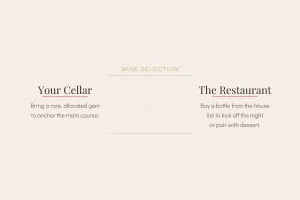
To balance the scales with the house, the savviest collectors follow a simple rule of thumb: Bring a bottle, buy a bottle. Ordering a bottle from the restaurant's program—whether a crisp Champagne to toast the table or a sweet Sauternes to close the night—shows tangible support for the sommelier's program. You utilize their world-class stemware and service for your bottle, and you invest back into their business with theirs.


To keep your evening effortless, our team is happy to cross-reference the restaurant’s wine list for you. A quick check ensures your bottle brings something entirely unique to the table.

2. The Large-Format Blindspot

While standard corkage fees apply to a classic 750ml bottle, assuming those same rules scale linearly to large-format bottles without checking ahead can lead to a clumsy surprise on the final bill.


One anonymous industry insider recalls a guest who arrived with a 3L double magnum, expecting the house to treat it as a standard pour. Instead, management applied a four-times multiplier to the corkage fee.


The Takeaway: Call ahead if you are bringing anything larger than a standard bottle.

3. The Etiquette of the "Somm Pour"

Offering the service team a taste of a rare or unique bottle is a time-honored gesture that builds immediate rapport, but hitting the right note requires a touch of curation. Max, a veteran former sommelier with deep roots in both the New York City and West Palm Beach dining scenes, views a shared pour as a unique cultural bridge. When done thoughtfully, Max notes that sharing a taste completely changes the energy of the evening:


“It makes the night more interesting, creates additional touchpoints with engaged diners, and naturally encourages a bit more attention and enthusiasm from the service team.”


However, there is a fine line between an elevated gesture and a slightly awkward table dynamic. Remember that the sommelier is on the clock managing a busy dining room; pausing to share a taste with you is a genuine professional compliment. The magic of that moment fades if you are asking them to step away continuously for the same wine.


“Guests will regularly offer the sommelier a healthy taste of what they’ve brought—which can be a real treat, but quickly starts to feel a bit burdensome when the third ‘Why don’t you pour yourself a glass of my Caymus?’ comes around.”


To leave a flawless impression, Max offers a classic, lighthearted benchmark for the collector community:

“If you’re going to be insistent, at least do it with a bottle of Grand Cru Burgundy.”

The Human Element: Why We Bring Our Best Vintages

To understand the deeper meaning behind bringing your own bottle, look no further than the intentionality of the selection process itself—it is a deliberate choice meant to elevate a shared moment.


“I only bring wine to dinner if I know a friend will appreciate it,” says Rob, owner of Hamptons Palm Beach. “I love brainstorming which wine will really add to the evening. It's a true sense of reward when they light up, really loving the bottle. Honestly, those are the nights I remember the most.”


Even for those just beginning their wine journey, the right bottle can transform an ordinary dinner into a landmark event. One of our own team members discovered this ritual through a chance meeting with Landon Patterson, CEO of the coveted Napa Valley estate Hundred Acre. He shared the philosophy behind their Fortunate Son project—a wine crafted to “feel as powerful as that moment when you realize how lucky you are to be alive.”


Inspired by that story, she brought Hundred Acre Fortunate Son "The Dreamer" to a dinner at La Marina to welcome close friends visiting the Island. Against a backdrop of local superyachts and a Palm Beach sunset, the group celebrated being together again, a staggering 7,000 miles from their original hometown.


While the wine itself was spectacular, it was the deeper intentionality behind the bottle that left the table “completely captured by a shared sense of gratitude.”


Whether you are anchoring a lifelong friendship with a rare cult vintage or mapping your weekly dining habits through hidden gems from our shelves, corkage is ultimately about connection. Treat the restaurant with respect, support their beverage program, and let the wine do exactly what it was made to do: bring people together.


Planning a dinner on the Island or in West Palm Beach? Visit our boutique (near the Breaker's Hotel) or text us your dinner reservation details. Our team will cross-reference the restaurant’s current beverage program, help you select a standout from your cellar or our shelves, and ensure your evening is memorable from the first pour.

Sincerely yours,

Hamptons Team

More Posts