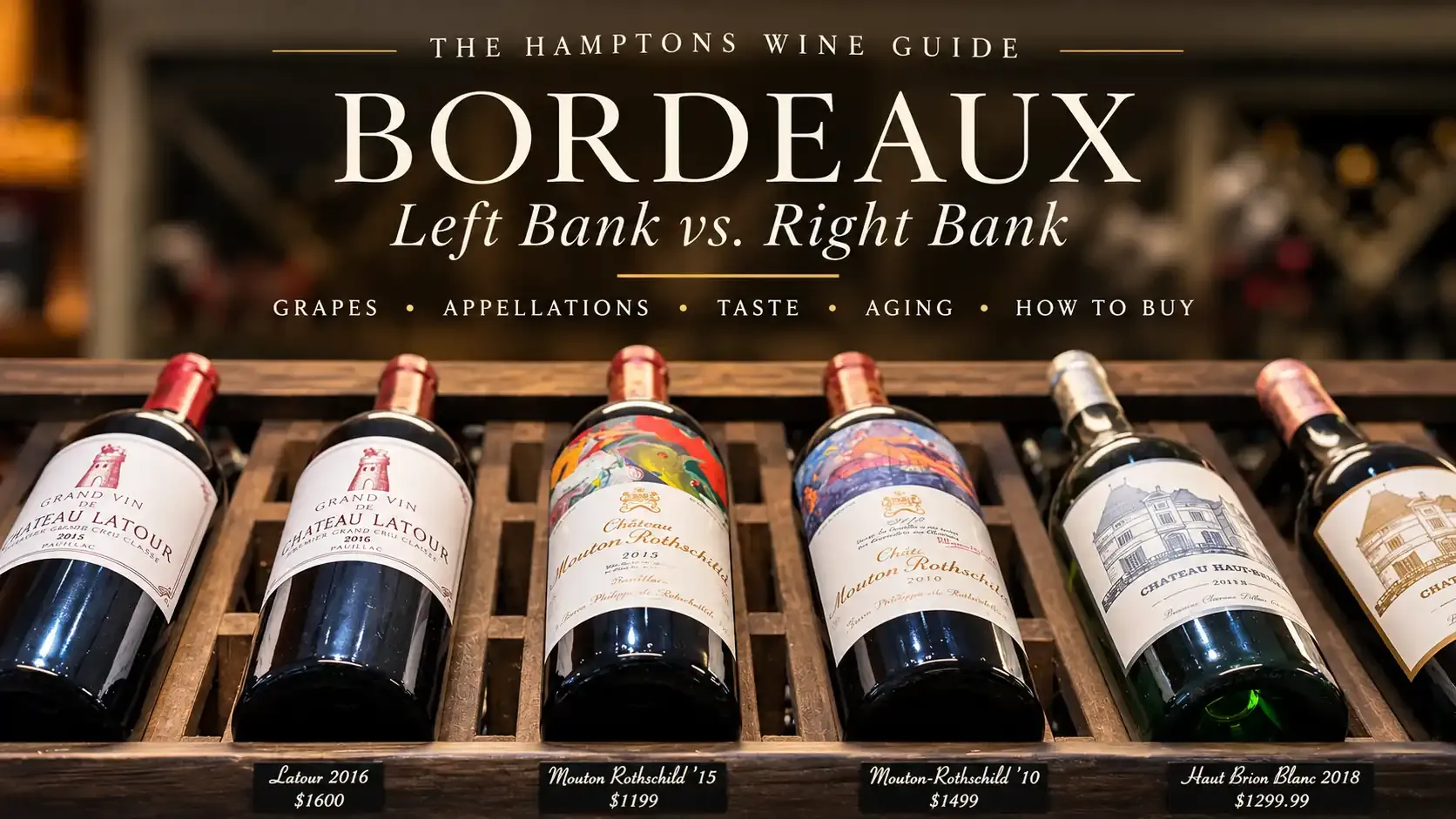
A collection of prestigious Bordeaux wines displayed in the Hamptons Palm Beach wine cellar.

The Hamptons Wine Guide

Left Bank vs. Right Bank Bordeaux: Which Red Wine Should You Buy?

Discover the differences between Bordeaux's two famous banks, from Cabernet Sauvignon and Merlot to flavor, aging potential, and choosing the right bottle for your palate.

Choosing between Left Bank and Right Bank Bordeaux can feel confusing, especially when both regions produce some of the world's most respected red wines. You may recognize names like Pauillac, Margaux, Saint-Émilion, and Pomerol, but knowing which one suits your taste, budget, or occasion is another matter. The simplest distinction is that Left Bank Bordeaux is generally Cabernet Sauvignon-led, with firmer tannins and a more structured character, while Right Bank Bordeaux is typically Merlot-led, offering richer fruit and a rounder texture. However, there is much more to choosing a great bottle than picking a side of the river. Understanding how grape varieties, appellations, and winemaking styles influence the finished wine can help you find a Bordeaux you will genuinely enjoy, whether you are buying for dinner, discovering French wines for the first time, or adding a special bottle to your collection.

Left Bank vs. Right Bank Bordeaux: Key Differences at a Glance

The main difference between Left Bank and Right Bank Bordeaux is the grape that typically leads the blend. Left Bank reds are generally Cabernet Sauvignon-led and more structured, while Right Bank reds are generally Merlot-led and rounder in texture. Both belong to the Bordeaux wine region in southwestern France, where geography, soil composition, and grape selection help shape these recognizable styles.

Left Bank vs. Right Bank Bordeaux at a glance
FeatureLeft Bank BordeauxRight Bank Bordeaux
Usual leading grapeCabernet Sauvignon (typically)Merlot (typically)
Typical soilsOften gravel-richOften clay- and limestone-rich
Supporting grapesMerlot, Cabernet Franc, Petit VerdotCabernet Franc, Cabernet Sauvignon
Typical fruit flavorsBlackcurrant, black cherry, blackberryPlum, blackberry, dark cherry
Other common notesCedar, tobacco, graphiteCocoa, spice, violets
Tannin structureGenerally firmer and more pronouncedOften rounder and more supple
Well-known appellationsPauillac, Margaux, Saint-Julien, Saint-EstèpheSaint-Émilion, Pomerol, Fronsac
Common buying preferenceStructured, Cabernet-forward redsPlush, Merlot-forward reds
Aging potentialMany prestigious wines age exceptionally wellTop estates also produce long-lived wines

These are useful guidelines rather than strict rules. A mature Pauillac may taste beautifully smooth after years in the cellar, while a young, concentrated Pomerol can have substantial tannins and need more time to develop. The producer, vintage, and individual vineyard matter just as much as the bank itself.

Why Is Bordeaux Divided into Left Bank and Right Bank?

The distinction begins with geography. Bordeaux is shaped by the Garonne and Dordogne rivers, which join to form the Gironde estuary before flowing into the Atlantic Ocean. The Left Bank lies primarily to the west and south of this river system, while the Right Bank includes important vineyard areas to the north and east, especially around the town of Libourne.

The Left Bank includes the Médoc and Graves wine-growing regions. Many of its best-known vineyards have gravel-rich soils that drain efficiently and retain warmth, conditions particularly favorable for Cabernet Sauvignon. The Médoc is home to prestigious appellations such as Pauillac, Margaux, Saint-Julien, and Saint-Estèphe.

The Right Bank is particularly associated with Saint-Émilion, Pomerol, and Fronsac. Clay and limestone feature prominently in these areas, creating conditions well suited to Merlot and Cabernet Franc. The region also contains gravel and other soil types, which help explain why wines from neighboring estates can have noticeably different personalities.

The area between the Garonne and Dordogne rivers is called Entre-Deux-Mers. Long associated with dry white wines, the appellation has also officially permitted red wines since 2023. Other red Bordeaux appellations are produced within the broader geographical area as well.

Geography helps explain the differences in grape selection and, ultimately, the styles found in each glass.

Which Bank Is More Cabernet Sauvignon-Driven?

The Left Bank is generally more Cabernet Sauvignon-driven, particularly in the Médoc. Cabernet Sauvignon develops thick skins and ripens relatively late, producing wines with pronounced tannins, firm structure, and flavors that often include blackcurrant, cedar, and graphite. Gravel-rich vineyard sites help the grape achieve the ripeness needed to produce balanced wines in Bordeaux's maritime climate.

Merlot remains an important part of many Left Bank blends. It contributes fruit, roundness, and texture, helping balance Cabernet Sauvignon's naturally firm structure. Smaller amounts of Cabernet Franc and Petit Verdot may provide additional aromatic complexity, color, or structure, depending on the estate and vintage.

A Cabernet Sauvignon-led Bordeaux often appeals to someone who enjoys a wine with a defined backbone and a long, evolving finish. These wines can work particularly well with grilled beef, lamb, and other richly flavored dishes. Many are enjoyable when young, although the more concentrated examples may benefit from decanting or additional bottle age.

For a practical example, 2016 Château Talbot from Saint-Julien illustrates the character associated with classic Left Bank Bordeaux. Its Cabernet Sauvignon-led blend combines dark fruit, savory notes, and structured tannins, making it an interesting reference point for drinkers exploring this style.

Does the Right Bank Contain Cabernet Sauvignon?

Yes. Right Bank wines are usually Merlot-led, but Cabernet Sauvignon can still be part of the blend, and Cabernet Franc is particularly important in several highly regarded estates.

In fact, certain Saint-Émilion producers emphasize Cabernet Franc rather than Merlot. This can create wines with greater aromatic lift, distinctive freshness, and a firmer structure than someone might expect from a typical Right Bank description.

Checking the producer's blend is therefore more useful than relying on the bank alone.

How Do Left Bank and Right Bank Bordeaux Taste?

The most noticeable difference for many wine drinkers is the combination of fruit character and tannin texture.

Left Bank Bordeaux frequently shows blackcurrant, blackberry, dark cherry, and savory notes such as tobacco, cedar, or pencil shavings. Its tannins can create a drying sensation on the gums, particularly in younger bottles. With time, those tannins may soften and integrate, allowing more delicate aromas and flavors to emerge. The result can be a wine that feels elegant and complex rather than simply powerful.

Right Bank Bordeaux often has a richer expression of plum, ripe cherry, and blackberry, supported by aromas that may include violets, cocoa, or warm spice. Merlot generally contributes roundness and a softer impression on the palate, while Cabernet Franc can introduce floral, herbal, and savory dimensions. These wines may feel more immediately approachable, although some top Right Bank bottles are concentrated and structured enough to age for decades.

Neither style is inherently sweeter than the other. Both Left Bank and Right Bank Bordeaux reds are generally dry wines. A Right Bank wine may taste fruitier or more generous, but that does not mean it contains noticeably more residual sugar.

The best way to understand the difference is to compare two bottles of similar quality and maturity, ideally one Cabernet Sauvignon-led Left Bank wine and one Merlot-led Right Bank wine. Tasting them alongside the same meal makes their differences in texture and structure much easier to recognize.

Which Bordeaux Style Should a Beginner Choose?

If you are buying Bordeaux for the first time, begin with the types of red wine you already enjoy rather than choosing a château solely because its name is famous. At Hamptons Palm Beach, our wine team starts by asking what you usually drink, what you're serving, your budget, and when you plan to open the bottle.

Someone who regularly drinks Cabernet Sauvignon and appreciates firm tannins, black fruit, and savory depth will often find the Left Bank a natural starting point. Appellations such as Haut-Médoc, Saint-Julien, and Margaux offer opportunities to explore this style, although the character and price of individual bottles vary considerably.

If you prefer Merlot or softer red blends, the Right Bank may feel more familiar. Merlot-led wines from Saint-Émilion, Lalande-de-Pomerol, and Fronsac can provide an inviting introduction to Bordeaux's fruit-driven side, often with enough structure to remain interesting alongside food.

If you're unsure, start with the occasion: a steak dinner may favor a structured Left Bank red, while a relaxed evening might call for a rounder Right Bank bottle.

It is also worth remembering that expensive does not necessarily mean suitable for your taste. A prestigious young Bordeaux can feel too firm or tightly wound when opened before its ideal drinking window. A thoughtfully selected, less famous estate may provide greater enjoyment for the occasion.

A Simple First-Bottle Recommendation

For an approachable introduction to the Right Bank, 2019 L'Hospitalet de Gazin, the second wine of Château Gazin in Pomerol, offers a way to explore the appellation without immediately moving into its most prestigious and expensive estates.

For a more structured Left Bank experience, Saint-Julien is a compelling place to begin. Wines such as 2016 Château Langoa Barton demonstrate how dark fruit, freshness, and Cabernet Sauvignon's firm structure can work together.

These are useful stylistic examples rather than universal recommendations for every drinker. Before purchasing, consider the bottle's vintage, maturity, current availability, and your preferred flavor profile. You can also browse our Bordeaux red wine collection to compare producers and vintages.

Saint-Émilion vs. Pomerol: Which Is Better for Merlot Lovers?

Saint-Émilion and Pomerol are two of the Right Bank's most celebrated appellations. Both are closely associated with Merlot, but their wines do not necessarily taste identical, and each region offers a different buying experience.

Saint-Émilion: Diversity, Elegance, and Blending Styles

Saint-Émilion covers a relatively large and varied vineyard area, with limestone, clay, gravel, and sandy soils contributing to differences between estates. Merlot is highly important here, but Cabernet Franc also plays a significant role, bringing freshness, fragrance, and structure to many blends.

Depending on the producer, Saint-Émilion can range from supple, fruit-forward wines to powerful reds intended for long aging. This diversity makes it especially interesting for someone exploring Right Bank Bordeaux, since the appellation offers many different interpretations of Merlot and Cabernet Franc.

For drinkers seeking something more Cabernet Franc-driven, 2015 Le Dôme, Saint-Émilion Grand Cru provides an example of how a Right Bank wine can emphasize structure and aromatic precision rather than simply softness.

Pomerol: Richness, Concentration, and Merlot Character

Pomerol is a much smaller appellation and is particularly famous for its Merlot-dominant wines. Many show generous plum and dark-fruit flavors, layered textures, and substantial depth. Well-made examples can develop remarkable complexity with age, gaining savory and earthy characteristics alongside their fruit.

Pomerol is often associated with luxury wine because of its limited vineyard area and highly sought-after estates. However, not every bottle carries the price of the appellation's most famous producers.

For someone interested in a more concentrated expression of Pomerol, 2016 Château L'Évangile is a useful example. Its Merlot-led blend with Cabernet Franc illustrates the richness and layered structure that have made the appellation so desirable.

Which Should You Buy?

Choose Saint-Émilion if you want to explore a broad range of Merlot-led styles and different expressions of Cabernet Franc. It can also be a practical starting point when comparing several producers or working within a particular budget.

Choose Pomerol if your preference leans toward concentrated Merlot, deep fruit, and a luxurious texture. Just remember that not all Pomerol is soft or ready to drink immediately. Some of the region's most celebrated bottles benefit from considerable aging.

Which Bordeaux Appellations Should You Look for When Shopping?

One of the most useful things to understand about Bordeaux is that the appellation often tells you more about the wine than a familiar grape name on the label.

Unlike many American wines, Bordeaux is commonly identified by its geographical appellation and château. A label reading Pauillac or Pomerol can therefore provide a strong clue about what grapes and wine style to expect, even when the precise blend is not listed prominently.

Left Bank Appellations Worth Knowing

Pauillac is associated with powerful, Cabernet Sauvignon-led reds, often displaying blackcurrant, cedar, and graphite. Its best-known estates produce some of Bordeaux's most age-worthy wines. It is particularly attractive to drinkers who enjoy structured Cabernet Sauvignon.

Margaux has a reputation for aromatic elegance, often combining dark fruit with floral notes and refined tannins. It can be an appealing choice when you want a sophisticated Left Bank style without necessarily prioritizing maximum power.

Saint-Julien is frequently admired for its balance of structure, concentration, and finesse. It is an excellent appellation to explore if you appreciate Cabernet Sauvignon but want a wine that brings both depth and polish to the table.

Saint-Estèphe often produces firmly structured wines with substantial aging potential. Although styles vary between estates, the appellation is attractive to drinkers who appreciate serious, savory Bordeaux.

Right Bank Appellations Worth Knowing

Saint-Émilion spans approachable everyday selections and ambitious, age-worthy estates; see the comparison above for its range of styles.

Pomerol is a smaller, often pricier appellation worth considering when you want a particularly expressive Merlot-led wine.

Fronsac and Canon-Fronsac deserve attention from shoppers who want to discover less-famous Right Bank appellations. These areas can offer excellent opportunities to experience Bordeaux's Merlot and Cabernet Franc character beyond the most recognizable names.

Learning these appellation names makes Bordeaux labels easier to navigate.
Is Left Bank Bordeaux Better for Aging Than Right Bank Bordeaux?

Left Bank Bordeaux is often associated with long-term cellaring because Cabernet Sauvignon can produce wines with substantial tannins, acidity, and concentration. Over time, a well-made bottle may evolve from youthful black fruit and firm structure toward more complex aromas of leather, tobacco, cedar, and earth.

However, the idea that Right Bank Bordeaux should always be consumed young is misleading. Top wines from Pomerol and Saint-Émilion can also age beautifully for decades. Merlot and Cabernet Franc are fully capable of producing wines with impressive longevity when grown and vinified under suitable conditions.

For a bottle you plan to open soon, its current drinking window matters more than which bank produced it.

When evaluating an older or collectible Bordeaux, consider its provenance and storage history alongside the producer and vintage. A mature bottle that has been stored poorly may offer less enjoyment than a younger wine in excellent condition.

If you are considering a special vintage, the wine sourcing team at Hamptons Palm Beach can help you explore available options and discuss bottle condition before making a purchase.

Which Bank Offers Better Value for Money?

Neither bank consistently offers the best value across every price range. Both produce expensive collector wines, and both contain less-famous appellations and producers that deserve attention.

On the Left Bank, exploring Médoc, Haut-Médoc, Moulis-en-Médoc, and selected Cru Bourgeois estates can reveal excellent wines without requiring the budget associated with the most famous classified growths. These are worthwhile starting points if you enjoy Cabernet Sauvignon-led Bordeaux but want to spend thoughtfully.

On the Right Bank, Fronsac, Lalande-de-Pomerol, and Castillon Côtes de Bordeaux can offer opportunities to experience Merlot and Cabernet Franc blends without immediately paying the premium attached to prestigious Pomerol and Saint-Émilion estates.

A bottle already in its drinking window may also offer better immediate value than one that needs years in the cellar.

Compare producers and vintages within your budget, rather than choosing on name recognition alone.

How to Choose the Right Bordeaux for Dinner, Entertaining, or Gifting

The occasion can be just as important as the region when selecting Bordeaux.

For a dinner featuring grilled steak, roast lamb, or richly flavored beef, a Cabernet Sauvignon-led Left Bank Bordeaux can be an excellent match. Its tannins and structure help complement the richness of the food, while savory flavors create an enjoyable balance.

For roast duck, mushroom-based dishes, or a dinner where guests prefer softer red wines, a Merlot-led Right Bank Bordeaux may be more appealing. The rounder fruit profile of many Saint-Émilion and Pomerol wines makes them versatile options, although individual bottles should always guide the pairing.

When entertaining guests with different preferences, serving one bottle from each bank can create an engaging tasting experience. Guests can compare their aromas, textures, and overall styles without needing extensive wine knowledge. It also offers a memorable way to introduce someone to the diversity of Bordeaux.

For a gift, find out whether the recipient prefers structured or softer reds and whether the bottle is intended for immediate enjoyment or cellaring.

For special occasions in Palm Beach, Hamptons Palm Beach's custom wine gifting service can also help with personalized selections, presentation, and eligible delivery arrangements.

Where Can You Buy Left Bank and Right Bank Bordeaux in Palm Beach?

At Hamptons Palm Beach Fine Wine & Spirits, we help customers explore Bordeaux from both banks, whether they are seeking a structured Cabernet Sauvignon-led red, a Merlot-rich Pomerol, or a distinctive vintage for a special occasion. Serving Palm Beach since 1955, our team can assist with wine recommendations, rare bottle sourcing, and selections for entertaining.

You can explore our Bordeaux red wine collection online or visit our shop at 257 Royal Poinciana Way, Palm Beach, FL 33480. If you are looking for a specific château, appellation, or vintage, call (561) 832-8368 to discuss your preferences and current availability.

We also offer local delivery and shipping to eligible destinations. For shipping options, order requirements, and special handling of valuable bottles, please review our wine shipping information.

Final Verdict: Should You Buy Left Bank or Right Bank Bordeaux?

Choose the Left Bank for a Cabernet-led style with firmer structure, or explore the Right Bank if you prefer the rounder fruit profile often associated with Merlot.

Neither bank is inherently better. The right bottle is the one that suits your palate and is ready when you want to open it.

Still deciding between Left Bank and Right Bank Bordeaux? Explore the Bordeaux Red Wine Collection at Hamptons Palm Beach, or call our wine team at (561) 832-8368. Tell us what you enjoy and what you are planning, and we will help you find a Bordeaux worth opening.

Sincerely yours,

Hamptons Team

More Posts

<p>How Do Eastern and Western Drinking Cultures Differ?</p><p>How Do Eastern and Western Drinking Cultures Differ?</p>

How Do Eastern and Western Drinking Cultures Differ?

To a classical European collector, a $3,000 bottle of Grand Cru Burgundy demands a slow, deliberate courtship. It is a ritual of oversized crystal stemware, subtle nods, and quiet reverence as notes of black cherry and wild truffle unfold over hours.


Across the globe, however, that exact same bottle meets a very different fate.


The glass is still fine crystal, and the initial pour still carries the romance of a first date—swirling, sniffing, and admiring the vintage. But as the banquet progresses, an unspoken rule takes hold: every drop must disappear, usually in a sped up fashion. Quiet contemplation gives way to spirited toasts, and delicate sipping turns to gulping. In Chinese dining culture, this is gan bei (干杯 "bottoms up")—a social commitment to empty your glass, honor your host, and celebrate togetherness.


To anyone trained in traditional wine service, this collision of luxury and speed breaks the textbook and gives sommeliers hives. Yet, having spent years in Asia before specializing in fine wine on Palm Beach Island, I view that drained glass differently. Where one culture sees a missed tasting note, another sees an unmistakable gesture of camaraderie and respect.

<p>The Gravity of the Tin: Why You Need to Stop Rationing Caviar</p><p>The Gravity of the Tin: Why You Need to Stop Rationing Caviar</p>

The Gravity of the Tin: Why You Need to Stop Rationing Caviar

We have all been there. You know caviar as the polite dollop resting on a cold blini, or a decorative garnish on a catering platter. It was salty, it was fancy, and it was over in a single, fleeting bite. You walk away thinking, “It’s good... but is it really worth the hype?”


I used to think the exact same thing. In fact, I completely wrote caviar off for years. Growing up, my grandmother would tell me stories that sounded like pure mythology:


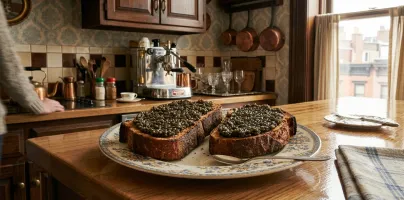
"Back in the '80s, my absolute favorite afternoon snack was two warm slices of bread, spread with a thick, glistening layer of Caspian Beluga caviar. Especially when I was pregnant with your dad, I would finish lunch and just count down the minutes until 4:00 PM so I could have my daily treat. It was my happiest ritual."


For decades, she dreamed of those days. And for decades, I didn’t quite get it, because what she casually enjoyed had become completely impossible.


To put her daily habit into perspective: during the famous "Beluga Caviar War" of 1983 between Zabar's and Macy's in New York, a massive 14-ounce tin of wild Caspian Beluga retailed for around $119. Even with inflation, that’s about $380 in today’s money.


Today, if you wanted to buy a 14-ounce tin of purebred Beluga to casually spread on your afternoon toast, it would set you back nearly $4,000. Unless you have a casual quarter-million-dollar annual grocery budget, nobody is eating pure Beluga on a daily basis anymore.


But it wasn't just the price that made it impossible—the legendary quality itself had vanished.

<p>The Palm Beach Corkage Guide: Fees, Etiquette, and the Best BYOB Policies on the Island</p><p>The Palm Beach Corkage Guide: Fees, Etiquette, and the Best BYOB Policies on the Island</p>

The Palm Beach Corkage Guide: Fees, Etiquette, and the Best BYOB Policies on the Island

Around here, we are no strangers to precision when it comes to wine. At our Palm Beach boutique, our days are spent curating cases for everything from elegant backyard luncheons to grand weddings at the Flagler Museum. But just as often, the assignment is beautifully simple: a regular walks through our doors looking for that one perfect bottle to bring out to dinner that very evening.


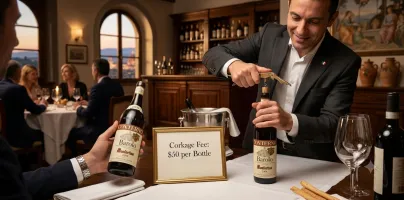
Historically, taking a bottle from your cellar to a local dining room came with a side of guesswork, as corkage policies varied wildly by doorstep. That baseline is shifting toward welcome clarity. With Florida’s landmark SB 606 fee transparency law now in effect as of July 1, 2026, automatic operations charges must be clearly itemized on menus and receipts. Under this new legislation, restaurants provide upfront notice of their exact corkage fees, removing the mystery for collectors before the first cork is even pulled.


As the law brings these fee structures into the light, there has never been a better time for our community of collectors to brush up on the unspoken etiquette of BYOB. Done right, corkage isn't just a transaction—it’s a dynamic, two-way dialogue between an engaged diner and a world-class hospitality team, turning the bottle you meticulously selected into a shared conversation.


"Corkage gives restaurants an unexpected window into what guests are excited enough to purchase for themselves or gift to others," notes Megan, Sommelier at Harry’s West Palm Beach. "It helps us understand evolving tastes and can even influence future decisions about what deserves a place on the wine list."